São Paulo After Dark
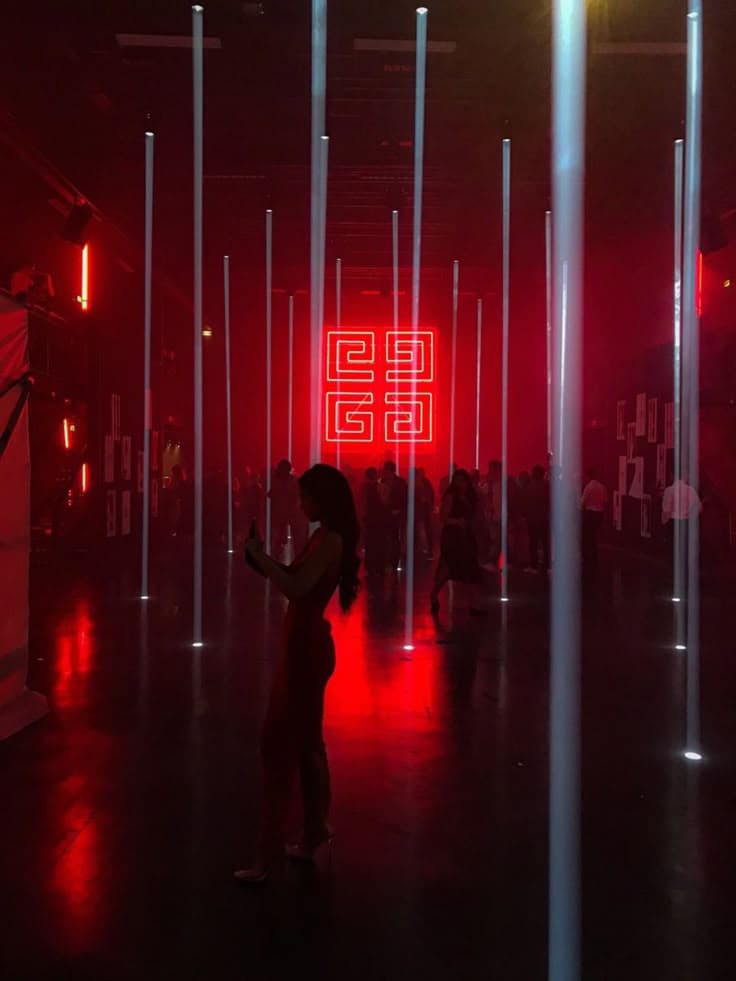
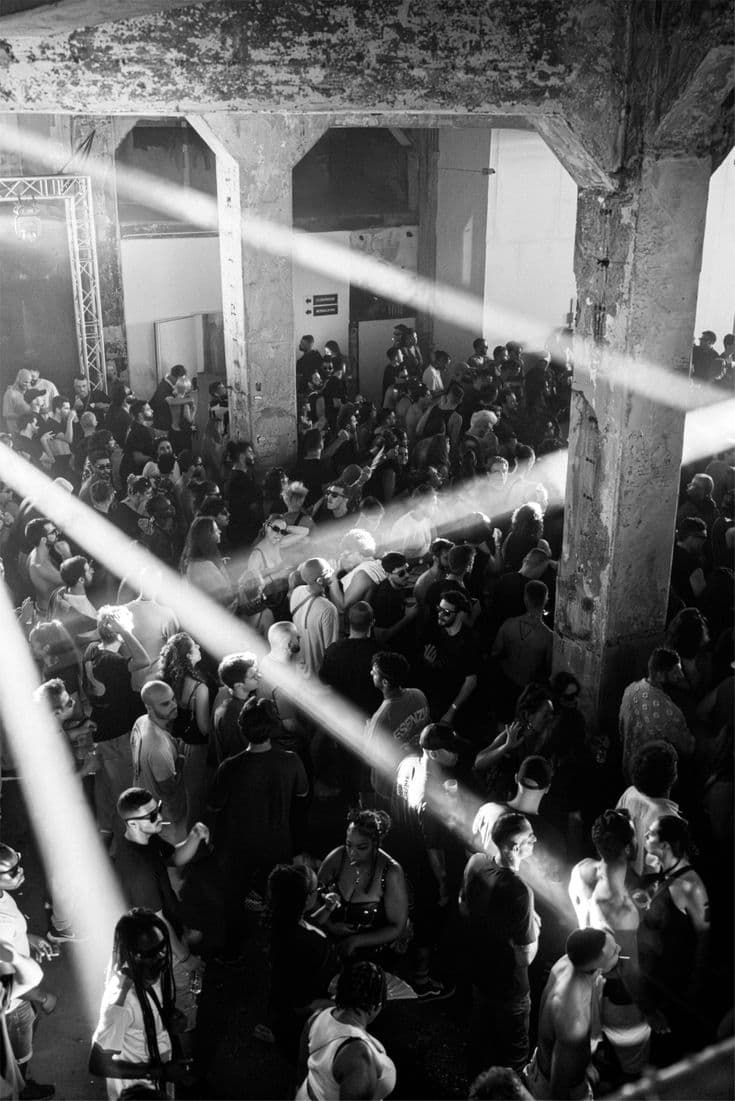
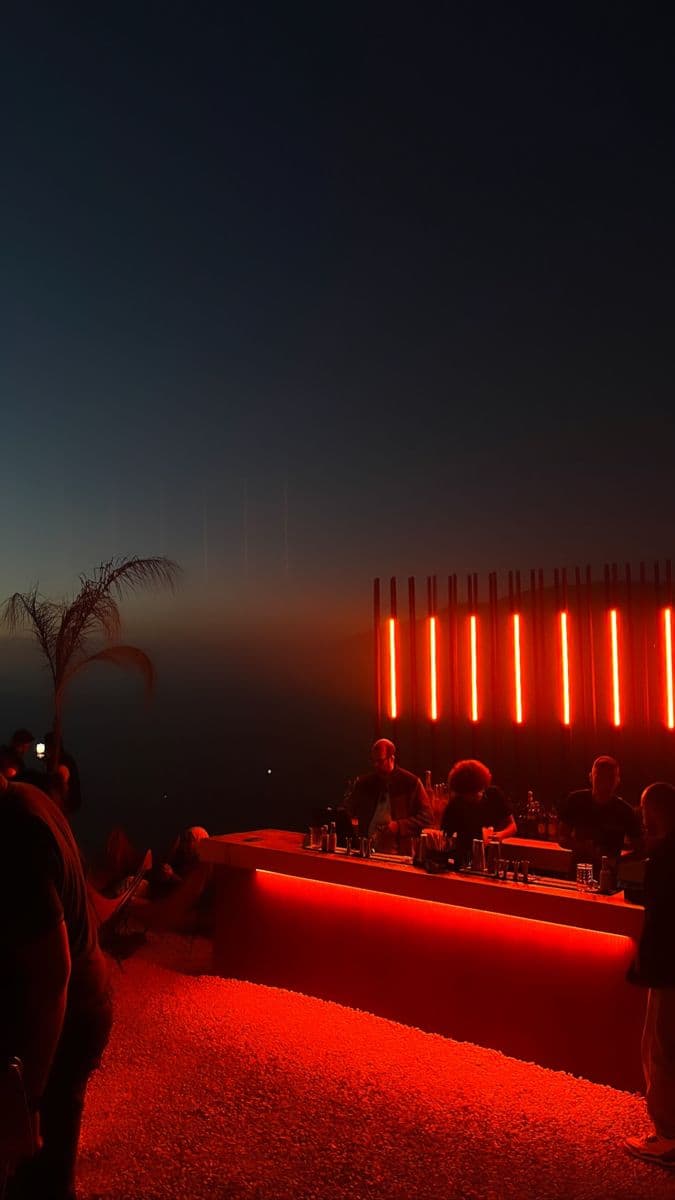
São Paulo doesn't do nightlife the way other cities do. There's no 2am closing time. No polite queue culture. No rules about when the night starts or ends. This is a city of 22 million people who treat sleep as optional — and the music scene reflects it.
The city has produced some of the most vital electronic music in the world: from baile funk to afrohouse, deep São Paulo techno to the samba-infused sounds that have been shaping global dance floors for decades. If you haven't been, you're missing something genuinely irreplaceable. This guide is for people who want to find the right room on the right night.
The Scene: What to Know
When does it start? Nobody arrives before midnight. Seriously. Doors might say 11pm; the dance floor fills at 1am. Plan accordingly.
How long does it go? Sunday morning means nothing. Clubs run until 10, 11, sometimes noon the next day. The concept of a "closing time" doesn't really apply to the major venues.
Which neighbourhood? Vila Madalena is the hub for late-night culture — independent bars, music venues, and the kind of streets where a spontaneous street party is always possible. Pinheiros sits alongside it and has a slightly more polished edge. Consolação is where the serious electronic music happens.
Transport: Uber works well and is cheap. The Metro closes at midnight (Line 4 runs slightly later on weekends). Keep Uber open on your phone.
The Clubs
D-Edge
The benchmark. If you only go to one club in São Paulo, it's this one.
D-Edge has been the standard for electronic music in Brazil for over 20 years. The sound system — a custom Funktion-One installation — is one of the best on the continent. The programming covers the full range: international headliners (Ricardo Villalobos, Âme, Peggy Gou have all played here), Brazilian selectors, and themed nights that consistently deliver.
- Location: Barra Funda
- Best nights: Saturday (house/techno imports), specific themed nights
- Crowd: Mixed — international visitors alongside São Paulo's proper music heads
- Entry: R$80–150 depending on lineup
- Tip: Buy tickets in advance via their site. Door tickets exist but queue is long and occasionally sold out.
Audio Club
If D-Edge is the prestige room, Audio is the workhorse — and São Paulo's underground loves it for exactly that reason.
Audio runs on stamina. Multiple floors, a massive outdoor area, and lineups that lean harder into the local scene. This is where you'll find Brazil's best resident DJs holding rooms at 7am while international headliners have long since packed up. The sound is brutal in the best possible way.
- Location: Barra Funda (close to D-Edge)
- Best nights: Friday and Saturday; the open-air area on warm nights
- Crowd: More local than D-Edge, slightly younger
- Entry: R$60–120
- Tip: The outdoor area is where the serious dancing happens. Find your way there early.
Cais 11
The newer arrival that the city has adopted as its own. Cais 11 sits on the banks of the Tietê river in a former industrial warehouse — São Paulo's answer to the repurposed dock venues in London and New York.
The programming is diverse: afrohouse, disco, Brazilian funk, and some of the best local DJs in the city. The crowd is younger, more fashion-forward, and the vibe is noticeably warmer than the harder techno rooms.
- Location: Bom Retiro
- Best nights: Saturday; their regular afro-house nights are essential
- Crowd: 25–35, creative industries, very well-dressed
- Entry: R$60–100
- Tip: Get there before 2am — the venue has a capacity limit and the queue fills fast after midnight.
Boate Disco
The city's best-kept underground secret — at least for now. Boate Disco runs in a tiny basement in Consolação, capacity around 300, and books a rotating cast of local selectors and occasional international names who prefer the intimate setting over the big rooms.
No phones on the dance floor. The music policy is eclectic: you'll hear Italo disco into Brazilian boogie into something entirely unclassifiable. The sound system punches far above its size.
- Location: Consolação
- Best nights: Friday; irregular special events
- Crowd: Regulars, music nerds, the kind of people who actually know who's playing
- Entry: R$40–60
- Tip: Follow their Instagram — they announce nights at short notice and sell out quickly.
Baile Funk Nights
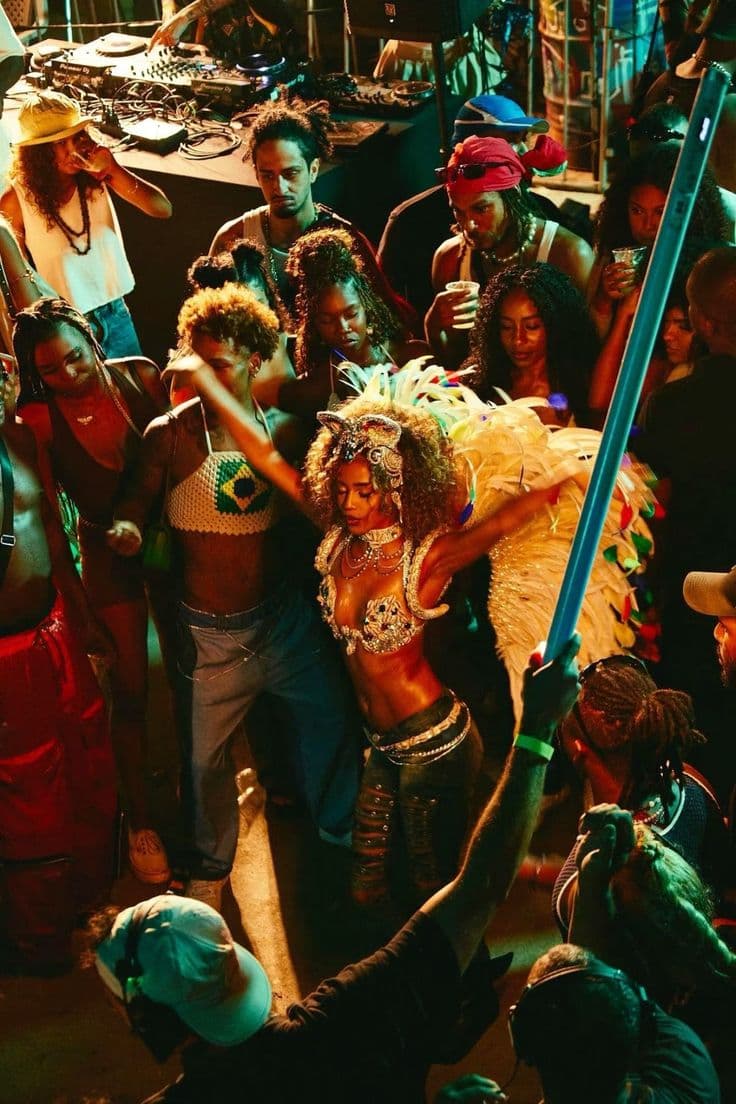
Baile funk is not a club — it's a format. And in São Paulo, it's a cultural institution.
The big baile events happen in the suburbs, in community spaces, in places tourists rarely find. If you want the real thing — massive sound systems, MC vocals cutting through crowd noise, 3,000 people dancing in perfect sync — you need a local contact.
What to look for: Promoted events in Capão Redondo, Campo Limpo, and the broader Zona Sul. Promoters post to WhatsApp groups and Instagram pages that aren't easy to find from outside the scene.
For visitors: The more accessible option is following the Batekoo collective, which organises safe, inclusive baile-adjacent events in central São Paulo that maintain the energy without requiring a local guide.
Neighbourhood Guide
Vila Madalena
The neighbourhood that never sleeps. Rua Aspicuelta is the main drag — packed bars, live music spilling onto the street, people drinking on pavements until 4am. This is where the night starts before it ends somewhere bigger.
Don't miss: The spontaneous street parties (forró, samba, funk) that form around the junction of Aspicuelta and Medeiros de Albuquerque on Friday and Saturday nights.
Pinheiros
The polished cousin to Vila Madalena. Better restaurants, slightly quieter streets, but excellent late-night bars. The area around Rua Cardeal Arcoverde has a string of venues worth exploring.
Best bar: Guilhotina — cocktails, excellent sound system, consistently good DJ nights.
Consolação
Where the serious electronic music lives. The stretch between Av. Paulista and Rua Augusta is São Paulo's version of Soho — dense, busy, chaotic in the best way. Augusta in particular has everything from cocktail bars to underground clubs to 24-hour lanchonetes.
Barra Funda
Industrial, distant from the tourist centre, and home to the two biggest clubs (D-Edge and Audio). Don't let the location put you off — this is where the best nights happen.
Eating After Dark
São Paulo's food scene runs on the same timeline as the clubs.
Lanchonetes (open all night): Any corner lanchonete serves the best food of the night — pão de queijo, pastéis, and the legendary X-Burguer (that's 'X' as in 'chess', the Brazilian pronunciation of 'cheese'). The ones near the clubs in Barra Funda are open until the last person leaves.
Mercado Municipal (early morning): If you're still standing at 6am, the Mercado Municipal opens at 6am. The mortadella sandwich (enormous, absurd, perfect) is the São Paulo breakfast of champions.
Pizza: São Paulo has a serious, often underestimated pizza culture. Places like Bráz and Veridiana are open late — proper thin-crust São Paulo style, nothing like the Italian original.
Practical Notes
Getting around: Uber is reliable, cheap (R$30–60 most cross-city rides), and available 24 hours. Don't rent a car in São Paulo unless you know the city well.
Safety: São Paulo has a reputation, some of it earned. The standard advice: don't use your phone on the street after midnight, stay in the areas mentioned in this guide, and travel in groups after 2am. The clubs themselves are well-managed and generally safe.
Language: Almost nobody in the clubs speaks English. A few phrases in Portuguese go a long way: quanto custa a entrada (how much is entry), onde fica o bar (where's the bar). Locals appreciate any attempt.
Dress code: São Paulo dresses up. Even the underground rooms have a style standard. Clean trainers or boots, not sports kit. The bigger clubs have a face-control element — being well-dressed helps.
Currency: Real (R$). Cards accepted in major venues, but cash is useful for smaller bars and street food. ATMs are everywhere.
IRL Culture Tips
The night starts late — plan backwards. If the headline DJ plays at 4am, work backwards from there. Dinner at 9pm, drinks from midnight, arrive at 1am. Fighting the clock in São Paulo is a losing battle.
Don't queue for a club that doesn't have a queue. In São Paulo, a packed door is usually a sign the night is worth entering. An empty door at 2am usually means the room hasn't found its feet yet.
Ask locals in the venue. The best nights in São Paulo happen through word of mouth. Tell the person next to you at the bar that you're from out of town and want to find the right room. The city is extraordinarily welcoming to people who show genuine interest in the culture.
Come back on Sunday morning. The city's hidden gem is the Sunday afternoon after-party culture — sprawling, chaotic, warm. Some of the most memorable nights in São Paulo technically start at 8am on a Sunday.
IRL Culture covers the cultural moments worth showing up for. Subscribe to our weekly newsletter for city guides, festival intel, and what's actually worth your time across New York, Portugal, London, and São Paulo.