London After Dark
London is not a city that makes nightlife easy. The transport shuts down. The venues are scattered across zones. The door culture is quietly intimidating. And yet — when you find the right room on the right night — there is nowhere on earth like it.
The city has one of the most diverse music scenes in the world, built on decades of Caribbean influence, African diaspora culture, grime, jungle, garage, and a homegrown house and techno tradition that predates almost everything happening in Berlin or Amsterdam. The venues on this list are the ones that take this seriously.
The Scene: What to Know
When does it start? Fabric opens at 11pm but the dance floor fills after 1am. Most serious nights peak between 2am and 5am. Don't arrive before midnight if you want to see the room at its best.
How long does it go? Most licensed venues close at 6am on weekends. The extended licence venues — Fabric, Fold — can run later. After-hours culture exists but is informal.
Which areas? The serious rooms are spread across East London (Dalston, Hackney, Bethnal Green), South London (Brixton, Peckham, Vauxhall), and a few remaining spots in Central. The East-South corridor covers most of what matters.
Transport: The Elizabeth Line and Overground are the workhorses for crossing the city. Night Tube runs Friday and Saturday on the Central, Jubilee, Victoria, Northern, and Piccadilly lines — essential for getting home. After night tube finishes, use Uber or black cabs. Expect surge pricing after 3am.
The Venues
Fabric
The institution. Fabric has survived attempted closures, a temporary shutdown in 2016, and 25+ years of trends arriving and departing around it — and it's still the benchmark.
Three rooms, each with a distinct identity: Room 1 (the main floor, Funktion-One, pure body music), Room 2 (the live room, irregular bookings), and Room 3 (the smallest, where the more adventurous programming happens). The sound in Room 1 remains one of the best listening experiences in any room in the world.
The resident series — fabriclive, fabric — has documented the club's history. The current programming balances major international names with a rigorous selection of UK talent.
- Location: Farringdon, EC1
- Best nights: Saturday (Room 1 focus); specific one-off bookings are often the best nights
- Crowd: Genuinely mixed — regulars who've been coming for a decade alongside newcomers
- Entry: £20–35
- Tip: The queue can be long but moves. Dress smartly — the door is not arbitrary but they enforce a standard. Arrive between 12:30am and 2am for the best experience.
Fold
The most important new room in London. If Fabric is the institution, Fold is the future.
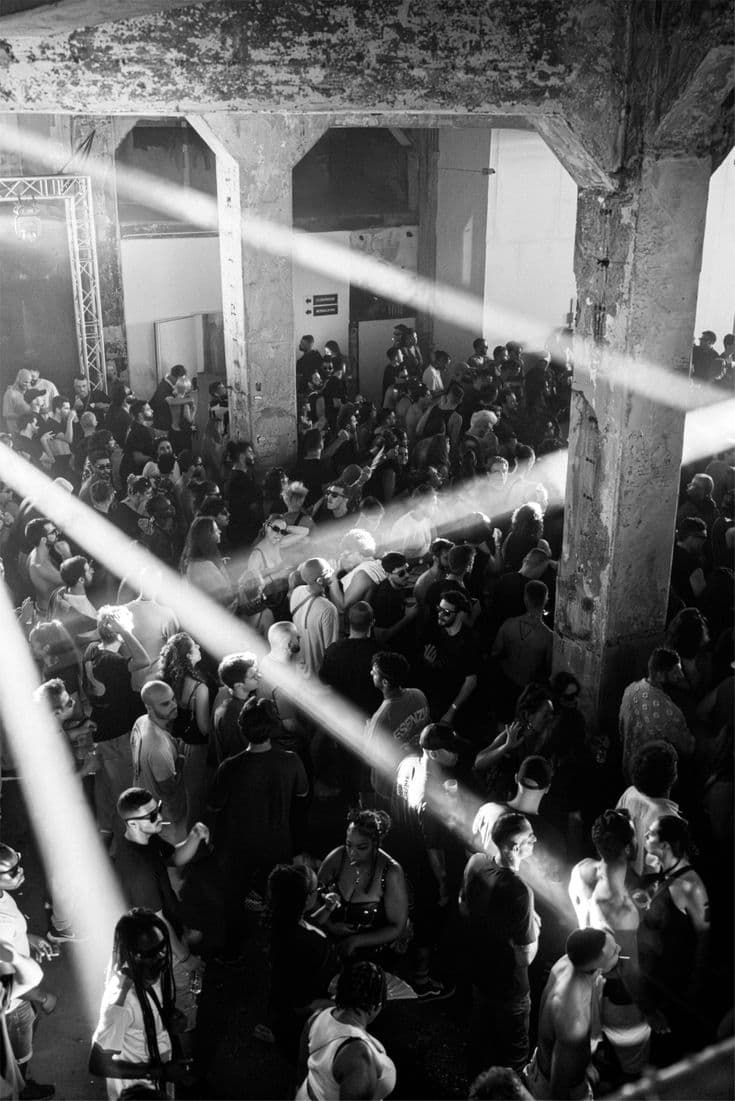
Located in Canning Town — far east, past the point where most people bother to travel — Fold has built a community through sheer consistency. The warehouse space is raw, the sound system is surgical, and the programming is as good as any venue in Europe right now. No phones on the dance floor.
The crowd is diverse in every sense: age, background, musical taste. Fold represents the best of what a modern club can be — a space built around respect for the music and the people who come for it.
- Location: Canning Town, E16
- Best nights: Saturday; their Awakening and Possession event series
- Crowd: Regulars, music obsessives, people who've made the journey for a reason
- Entry: £15–25
- Tip: The journey is part of it. Get the DLR to Canning Town and walk the 10 minutes to the venue. Once you're inside, you'll understand why people make the trip.
Corsica Studios
Two arched railway tunnels in Elephant and Castle, converted into one of London's most atmospheric club spaces.
Corsica has a unique acoustic quality — the brickwork and curved ceilings create something the bigger rooms can't replicate. The programming covers a wide range: queer nights, afrobeats, deep house, experimental. The resident-run booking model means the nights feel curated by people who genuinely care about what happens in the room.
- Location: Elephant and Castle, SE17
- Best nights: Friday (their regular Afrobeats nights); Saturday house and techno
- Crowd: South London regulars, very community feel
- Entry: £10–20
- Tip: The two rooms can run very different programmes simultaneously. Check which room has the booking you care about.
EarlyHours
London's best-kept secret for afrobeats, amapiano, and afro-house.
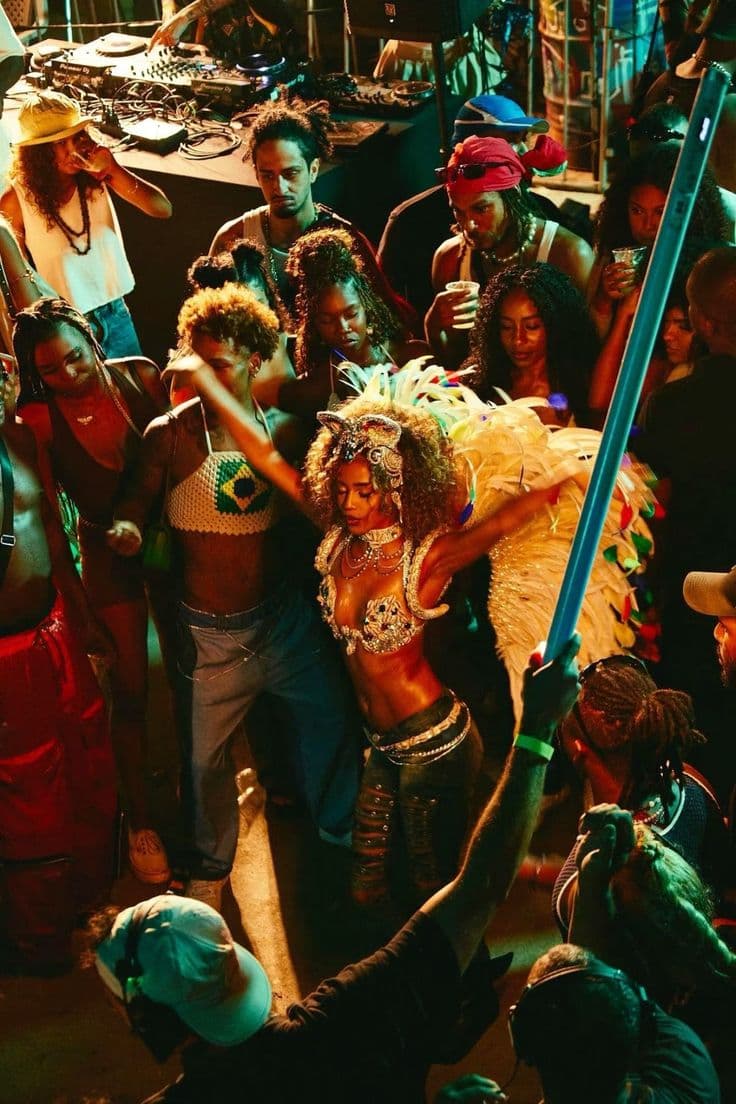
EarlyHours doesn't have a permanent home — it's a promoter collective that takes over different venues across East and South London. The nights are consistently excellent, the crowd is the best in the city for this genre, and the atmosphere is warm in a way that bigger venues rarely manage.
Follow their Instagram for event announcements. They sell out quickly and don't do much advertising.
- Location: Varies — regularly at Village Underground, Oval Space, and Hackney Church
- Best nights: Monthly events, check their social media
- Crowd: Predominantly Black British crowd, young, very well-dressed
- Entry: £15–25
- Tip: Buy tickets the day they drop. They go in hours.
Brilliant Corners
Not a club — something better.
Brilliant Corners in Dalston is a bar and listening space designed specifically around music. The sound system (a Klipschorn setup from the 1970s, meticulously maintained) is one of the best-sounding in any room in London. The drinks are excellent. The programming — jazz, soul, funk, electronic — is curated with genuine knowledge.
It's the room you go to before or after the clubs, or on the nights when you want music without the full festival of a 5am set.
- Location: Dalston, E8
- Best nights: Thursday through Saturday; their regular DJ nights
- Crowd: 25–45, music-literate, mixed
- Entry: Free or £5–10 for special events
- Tip: The bar gets full quickly after 10pm. Arrive by 9pm on weekends if you want a seat.
Village Underground
The converted tube carriages on the roof are the most photographed venue exterior in East London — but the inside is where the real work happens.
Village Underground runs a programme that spans live music, DJ nights, and experimental events across its main hall and two auxiliary spaces. The afrobeats and world music programming (particularly their Endless Summer series) has built a genuine community following. The main hall has good sound and sightlines from almost anywhere.
- Location: Shoreditch, EC2
- Best nights: Depends on the booking — check specifically
- Crowd: Mixed — East London regulars to destination venue visitors
- Entry: £15–30
- Tip: The venue is easy to get to (Old Street or Shoreditch High Street). For afrobeats nights, arrive on the earlier side — these nights sell well.
Neighbourhood Guide
Dalston (East London)
The heart of East London nightlife. Kingsland Road is dense with venues, bars, and late-night spots. Brilliant Corners, Dalston Superstore, Visions Video Bar — all within walking distance. The neighbourhood has changed significantly but retains its energy.
Hackney Wick
Industrial, post-Olympic, and increasingly important for underground events. Oval Space, Grow Hackney, and various pop-up venues occupy the warehouses around the Wick. Getting there requires planning (Hackney Wick Overground or a long walk from Stratford) but the density of good nights makes it worthwhile.
Peckham (South London)
Peckham has emerged as one of London's most vital cultural areas. The rooftop at Bussey Building (CLF Art Cafe) has views across the city. Bold Tendencies occupies the upper floors of a multi-storey car park every summer. The neighbourhood's energy is creative, community-focused, and growing.
Brixton
The spiritual home of London's Black music culture. The O2 Academy is the commercial anchor, but the surrounding streets (Electric Avenue, Coldharbour Lane) have smaller venues, reggae sound systems, and the kind of spontaneous street energy that few cities can match.
Vauxhall
The home of London's LGBTQ+ late-night scene. Fire, Arch, and the cluster of venues under the railway arches run the most consistently late nights in the city — 8am closings are standard here.
What to Know About London Door Culture
London clubs have a reputation for selective entry — and it's partially deserved. The good news: the serious underground rooms are not arbitrary. They're screening for people who will respect the music and the space.
What helps: Arriving with a group of 2–4 (solo entry is harder at some venues). Dressing appropriately — not a suit, but not gym kit either. Knowing who's playing and being able to say so if asked. Being patient and respectful if you're told to wait.
What doesn't help: Arriving very drunk. Being in a large group. Being on your phone constantly while waiting.
Most of the venues on this list are far more welcoming than their reputation suggests — especially if you're there for the music.
Practical Notes
Getting there: Tube and Overground cover most of East and South London. Night Tube runs Friday and Saturday. For venues in areas without Night Tube coverage (Fold, Corsica), budget for an Uber home — typically £15–30 depending on where you're going.
Tickets: Resident Advisor is the main platform for London bookings. Dice is increasingly common for afrobeats and crossover events. Many nights sell out — buy in advance.
Cost: Entry £15–35 depending on the venue. Drinks £7–12 in most rooms. London is expensive — budget £60–80 for a full night including transport.
Dress code: Smart casual is the standard. Clean trainers are universally acceptable. Sports kit is not. Looking like you made an effort makes everything easier.
IRL Culture Tips
The Night Tube is your best friend. Plan your route before you go — knowing which line takes you home means you can stay until the last set without the panic of missing transport.
Fold is worth the journey. Every person who goes says it's too far. Every person who makes the trip says they're coming back. Trust this.
Check Resident Advisor for the week's listings every Wednesday. The best nights in London are announced mid-week. If you wait until Friday to plan, the good events are sold out.
Don't chase famous names. London's best nights are often led by residents and locals who know the room. The international headliner at Fabric is excellent; the resident who follows them at 6am is often better.
Eat before you go. London's 24-hour food options near clubs are limited compared to cities like São Paulo or New York. Sort food before midnight — good luck finding anything quality after 2am in most parts of East London.
IRL Culture covers the cultural moments worth showing up for. Subscribe to our weekly newsletter for city guides, festival intel, and what's actually worth your time across New York, Portugal, London, and São Paulo.